The Art of Storytelling
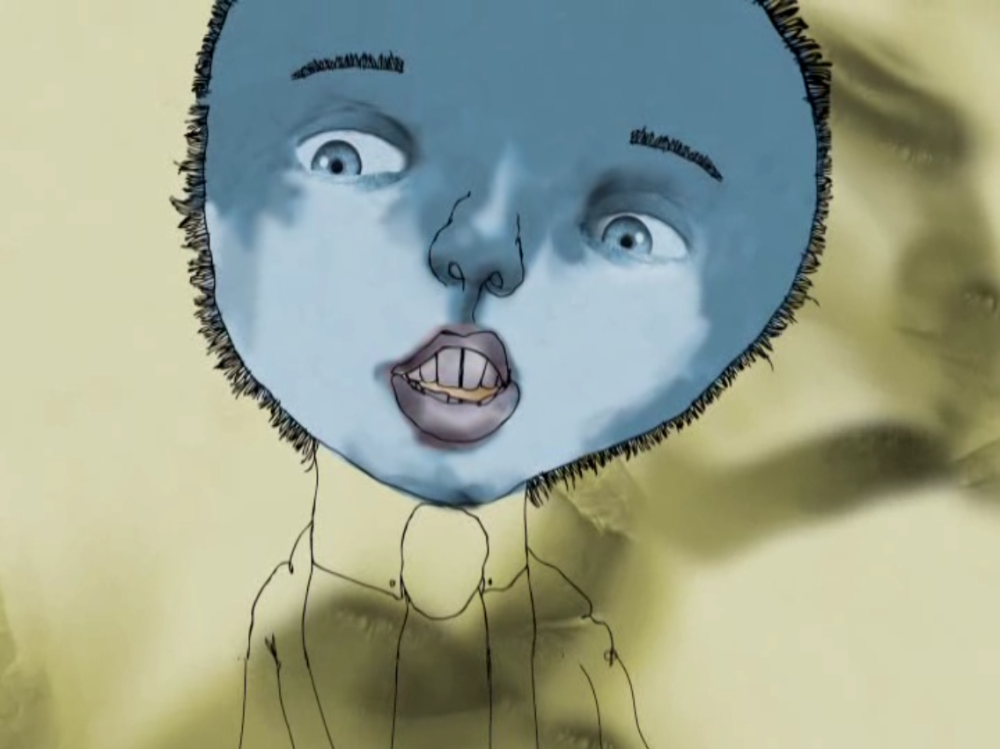

Illustrates a New Path for Art+Design Students
By Mariel Loveland ’10
Purchase’s new illustration concentration isn’t just an academic expansion. It’s a sign
of the times.
We wake up, and most of us immediately start scrolling through our phones. We brush past dozens of marketing emails and advertisements. The pop-ups and TikToks and Instagram posts are all artfully designed to capture and hold our attention. Some of us might peel open The New Yorker, The Atlantic , or any of the dozens of other popular magazines, and look at illustrations as they wrap around headlines. Maybe some of us turn on the TV. Either way, everything we see is a form of graphic design, and everyone is trying to sell us a story.

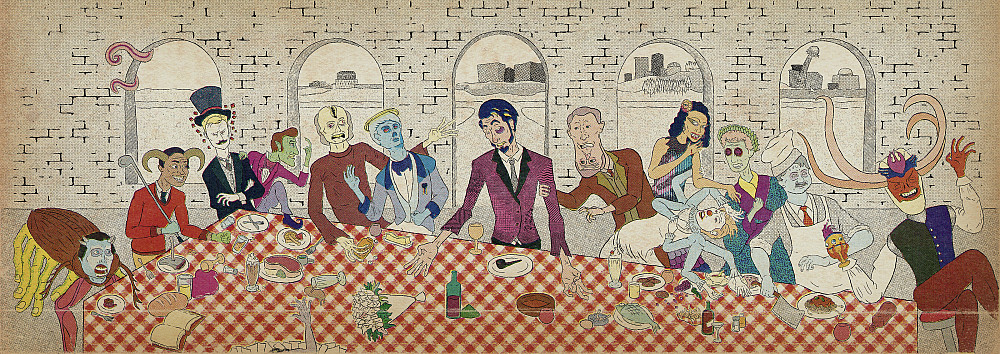
This is something Hakan Topal, Chair of Purchase’s Graphic Design Program, saw reflected in the portfolios of prospective students: there had been a shift. Among the still lifes, paintings, and traditional works, he saw anime, cartoons, and other illustrations.
“Students really grow up with the cartoons, Japanese animation, 3D animation, video games—all of which are essentially illustrations,” he says. “So, they want to get involved in this area, and we didn’t have any structured way of serving our students.”
Topal helped recruit 15 students for the program’s maiden voyage in the fall, but it was a long time coming. The concentration, which resides within the Graphic Design BFA program, was initially spearheaded by Robin Lynch, the previous Graphic Design Chair, along with Visiting Assistant Professor Timothy Samara and Assistant Professor Benjamin Santiago.
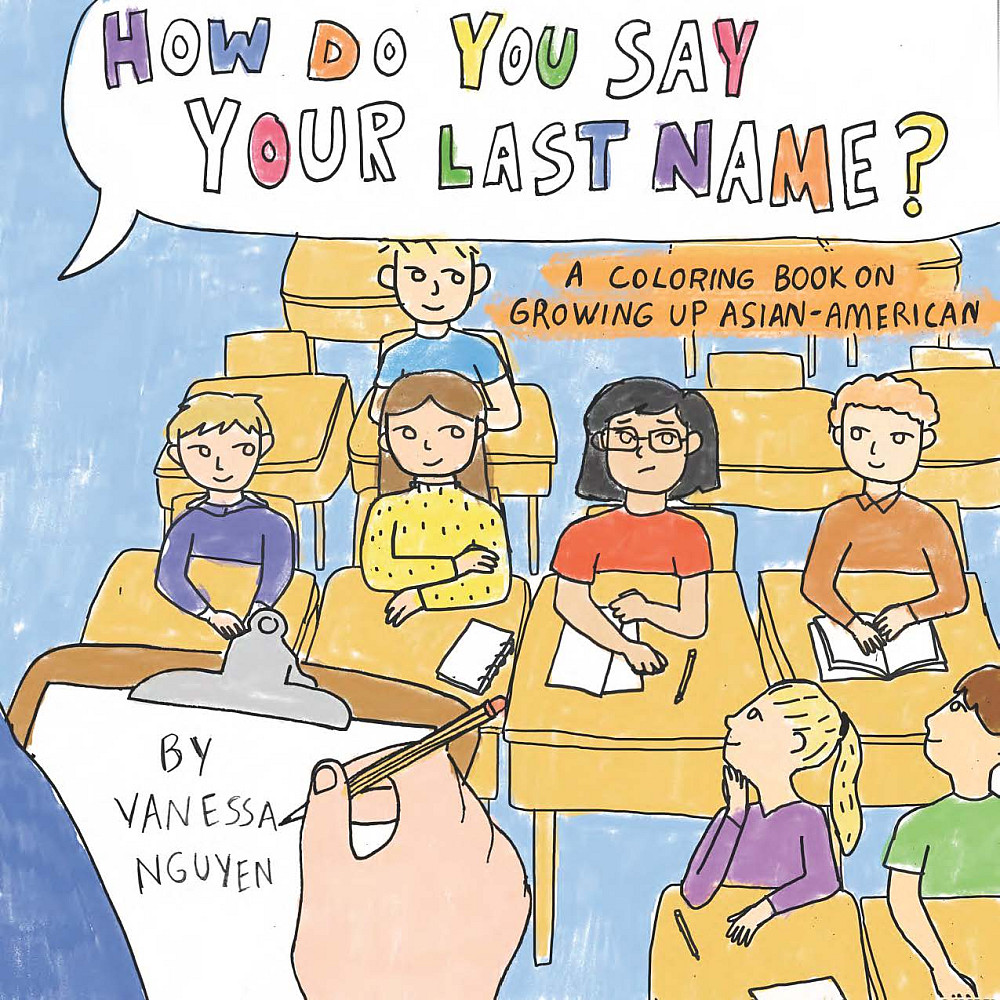
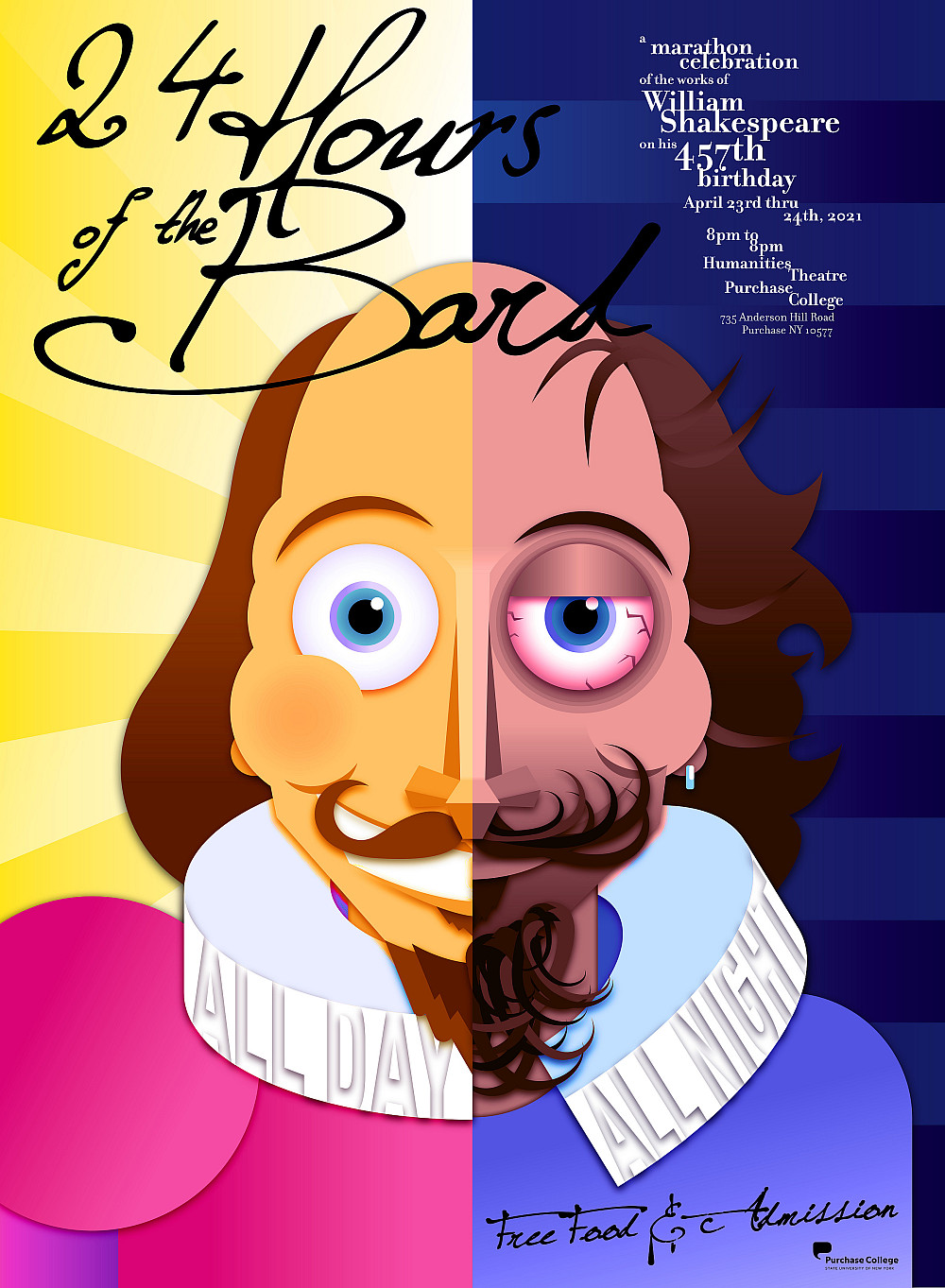
After a national search, the School of Art+Design hired artist/designer Deena So Oteh, whose illustrations have been featured in The New York Times, Wall Street Journal, and The New Yorker, as a tenure-track Assistant Professor to lead the concentration. The goal? Help students learn the art of visual storytelling—whether it’s an illustration on the cover of a book, an animation in a social media advertisement, or a journalistic data visualization used in a documentary.
“We don’t want to be a traditional illustration program,” says Topal, “but we want to make sure that we are providing skillsets for the future illustrators.”
Topal is an engineer-turned-artist. He studied engineering as an undergrad, earned a master’s in Gender and Women’s Studies from Middle East Technical University, and then went on to receive a PhD in Sociology from The New School for Social Research. It shouldn’t be surprising that his artistic approach blends analytical tools with creativity—like the brutalist-inspired home he designed in Turkey, which was featured in Dwell (“Construction Diary: An Artist Plays Architect to Design a Brutalist-Inspired Family Home in Turkey” on dwell.com).
That approach is not far from what he sets out to do with the program. “The idea of design,” he says, “is based on solving problems. … We want our students to be expressive and explore new ideas, but also, we want them to engage in an ever-changing design field defined by an active professional community.”
The illustration concentration kicked off this fall. Students from the School of Art+Design can apply once they have completed their shared first-year Foundations curriculum.